

March 22 – World Water Day
Rain Barrels Highlight Simple Action for Water Conservation
In recognition of World Water Day, residents are encouraged to consider practical, everyday actions that support water conservation and environmental stewardship—starting right at home.
One such action is the use of rain barrels, a simple and effective way to collect and reuse rainwater. By capturing runoff from rooftops, rain barrels help reduce strain on municipal systems while supporting sustainable water use practices.
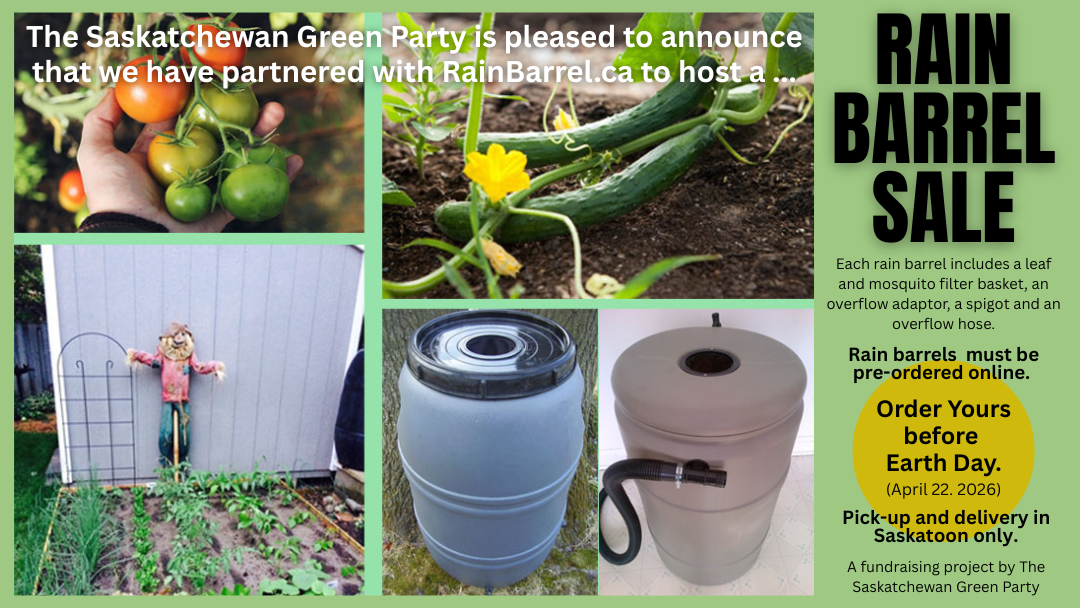
What are the benefits of rain barrels?
- Save Money and Water: Using rainwater instead of tap water for outdoor use reduces your water bill.
- Protect Your Municipality's Water Supply: Collecting water in your rain barrel slows it down from rushing into local lakes and rivers. This helps decrease storm runoff and the level of pollution going into local watersheds.
- Better Gardens: Improve the growth and vitality of your plants by feeding them rainwater instead of tap water that has many chemicals, including chlorine and fluoride.
- Reduce Risk of Basement Flooding: Disconnecting downspouts from your sewer drain and connecting them to your rain barrel reduces the risk of basement flooding. If your rain barrel begins to get full, there is an overflow hose that carries water away from your house.
- Reduce the amount of stormwater runoff by collecting roof runoff and storing the rainwater for future use.
“Small actions at the household level can have a meaningful impact on our shared water resources,” said Saskatchewan Green Party Leader, Naomi Hunter. “Rain barrels are an accessible way for residents to contribute to healthier communities and ecosystems.”
World Water Day serves as a reminder of the importance of protecting freshwater resources. Simple conservation measures—like installing a rain barrel—can help ensure a more sustainable future for generations to come.
Hunter adds, "I particularly love that Rainbarrel.ca offers recycled barrels. Whenever possible, it’s best to make things from recycled materials."
More water conservation practices that can help in Saskatchewan:
Water conservation in Saskatchewan focuses on reducing high residential and agricultural consumption through improved efficiency, infrastructure repairs, and sustainable habits. Key methods include fixing leaks, implementing drip irrigation, installing low-light fixtures, and adopting xeriscape, particularly during peak summer months, to reduce demand on treated water supplies.
Indoor Water Conservation
- Fix Leaks: Repair dripping faucets, toilets, and pipes promptly, as a small leak can waste significant water.
- Efficient Fixtures: Install low-flow showerheads, faucet aerators, and low-flush or dual-flush toilets, as toilet flushing can account for one-quarter of indoor use.
- Use Appliances Wisely: Only run washing machines and dishwashers with full loads.
- Behavioural Changes: Take shorter showers, turn off the tap while brushing teeth or shaving, and avoid running water to defrost food.
Outdoor Water Conservation
- Lawn and Garden Care: Water early in the morning or late in the evening to reduce evaporation and cut the grass higher to help soil retain moisture.
- Xeriscaping: Plant drought-tolerant, native species that require less watering, and use mulch in garden beds to retain moisture.
- Efficient Watering: Use drip irrigation or soaker hoses instead of sprinklers, and use a shut-off nozzle on hoses.
- Rainwater Harvesting: Use rain barrels to collect water from roof downspouts for watering plants.
- Cleaning: Use a broom to clean driveways and sidewalks rather than a hose.
Agricultural & Rural Conservation
- Irrigation Techniques: Use irrigation scheduling, pivot tracking, and soil moisture sensors to ensure water is applied efficiently.
- Conservation Tillage: Use no-till or reduced-tillage practices to maintain soil health, increase water retention, and reduce erosion.
- Water Management: Develop a responsible drainage plan and utilize buffer strips to manage nutrient runoff
Community Level
- Monitoring: Use water meters to track consumption and identify leaks.
- Commercial Car Washes: Use commercial car washes rather than washing at home, as they often recycle water and prevent dirty runoff from entering the storm drains.
- Reclaimed Water: Cities like Saskatoon are increasing the use of reclaimed water for irrigation in parks.
Water is a valuable resource. We need to do everything we can to conserve it.
-The Saskatchewan Green Party
Showing 1 reaction